

8 Causes of Hair Loss in Women Unrelated to Age
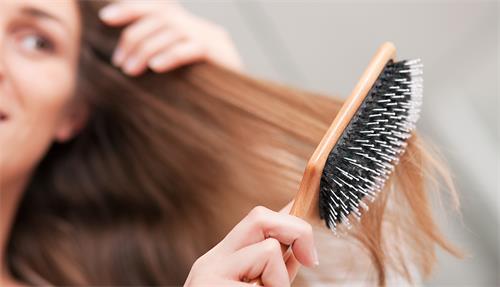
Hair is often considered a woman's crowning glory, symbolizing vitality, femininity, and individual style. However, the distressing reality of hair loss can shatter confidence and self-esteem. While aging is commonly associated with hair thinning, there are numerous other factors that can contribute to this phenomenon in women. In this article, we delve into eight causes of hair loss unrelated to age, shedding light on lesser-known culprits impacting women's tresses.
Hormonal Imbalance:
Hormones play a pivotal role in regulating various bodily functions, including hair growth. Fluctuations in hormone levels, such as those experienced during pregnancy, childbirth, menopause, or conditions like polycystic ovary syndrome (PCOS), can trigger hair loss. Androgenetic alopecia, commonly known as female pattern baldness, is influenced by hormonal imbalances, particularly the overproduction of androgens.
Stress and Anxiety:
In today's fast-paced world, stress has become an inevitable part of life for many women. Chronic stress and anxiety can disrupt the hair growth cycle, leading to excessive shedding or thinning. The physiological response to stress prompts the release of cortisol, which can inhibit hair follicle function and induce hair loss. Incorporating stress-relief practices like meditation, yoga, or mindfulness can help mitigate its detrimental effects on hair health.
Nutritional Deficiencies:
A balanced diet rich in essential nutrients is fundamental for maintaining healthy hair. Deficiencies in vitamins and minerals, such as iron, vitamin D, vitamin B12, and zinc, can compromise hair growth and vitality. Iron deficiency anemia, in particular, is linked to hair loss, as iron is critical for the production of hemoglobin, which carries oxygen to hair follicles. Adopting a nutrient-dense diet and considering supplements under the guidance of a healthcare professional can address underlying deficiencies.
Thyroid Disorders:
The thyroid gland regulates metabolism and hormone production, influencing various bodily functions, including hair growth. Thyroid disorders, such as hypothyroidism and hyperthyroidism, can disrupt the balance of thyroid hormones, leading to hair thinning or loss. Proper diagnosis and management of thyroid conditions are essential for restoring hair health and preventing further damage.
Autoimmune Conditions:
Autoimmune diseases occur when the immune system mistakenly attacks healthy tissues in the body. Conditions like alopecia areata and lupus can manifest as hair loss, with the immune system targeting hair follicles. Alopecia areata typically presents as patchy hair loss, while lupus may cause hair thinning or bald patches. Consulting with a healthcare provider and exploring treatment options tailored to manage autoimmune conditions is crucial for preserving hair density.
Hairstyling Practices:
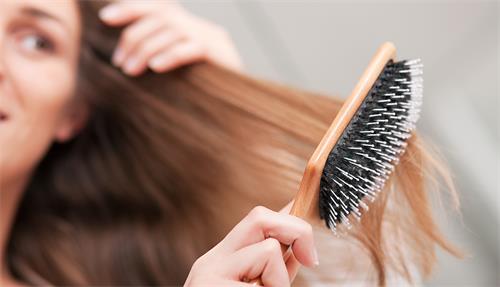
While styling tools and techniques can enhance the appearance of hair, excessive heat styling, tight hairstyles, and chemical treatments can contribute to hair damage and breakage. Heat from hair dryers, straighteners, and curling irons can weaken the hair shaft, leading to brittleness and breakage. Similarly, tight hairstyles like braids, ponytails, or extensions can exert tension on the hair follicles, resulting in traction alopecia. Adopting gentler styling methods and allowing hair to rest between styles can minimize the risk of hair loss due to mechanical damage.
Medications and Treatments:
Certain medications and medical treatments can have hair loss as a side effect. Chemotherapy, used in cancer treatment, is notorious for causing temporary hair loss due to its impact on rapidly dividing cells, including hair follicles. Other medications, such as antidepressants, beta-blockers, and anticoagulants, may also list hair loss as a potential adverse effect. It's essential to discuss concerns about medication-induced hair loss with a healthcare provider, who may offer alternative treatments or strategies to manage this side effect.
Environmental Factors:
Environmental stressors, such as pollution, UV radiation, and harsh weather conditions, can compromise hair health and contribute to hair loss. Pollution particles and toxins can accumulate on the scalp, clogging pores and impeding the hair growth cycle. UV radiation exposure can damage the hair cuticle, leading to dryness, breakage, and color fading. Protective measures like wearing hats or scarves outdoors and using clarifying shampoos to remove buildup can help safeguard hair from environmental damage.
Hair loss in women can stem from a myriad of factors beyond age-related changes, necessitating a holistic approach to diagnosis and management. By identifying and addressing the underlying causes of hair loss, women can take proactive steps to preserve and enhance the health and vitality of their tresses. From hormonal imbalances to environmental stressors, understanding the diverse triggers of hair loss empowers women to make informed choices to nurture their hair and confidence.
Recommended for you: