

How to Tell if Primers and Foundations are Water- or Silicone-Based?
In the ever-evolving world of makeup, understanding the ingredients and formulations of beauty products is crucial for achieving flawless looks. Among the essential components of any makeup routine are primers and foundations, which serve as the base for a polished appearance. However, not all primers and foundations are created equal. They come in different formulations, with water-based and silicone-based options being two popular choices. Knowing how to distinguish between the two can make a significant difference in achieving the desired makeup look. Let’s delve into the details of how to tell if primers and foundations are water- or silicone-based.
Read the Ingredients List:
The first step in determining whether a primer or foundation is water- or silicone-based is to examine its ingredients list. Look for key indicators such as "water" or "aqua" listed at the beginning of the ingredients for water-based formulas. Silicone-based products typically contain ingredients such as dimethicone, cyclopentasiloxane, or any other compound ending in "-cone" or "-siloxane." These ingredients create a smooth, silky texture that glides effortlessly onto the skin.
Texture and Consistency:
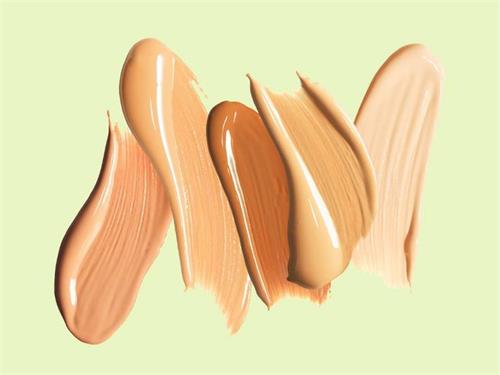
Water-based primers and foundations tend to have a lighter, more watery consistency compared to their silicone-based counterparts. They often feel refreshing and hydrating upon application, absorbing quickly into the skin without leaving a greasy residue. On the other hand, silicone-based products have a silky-smooth texture that feels slightly thicker and more velvety. They create a barrier on the skin's surface, helping to fill in fine lines and pores for a flawless finish.
Skin Feel:
Pay attention to how the product feels on your skin after application. Water-based formulas are typically lightweight and breathable, providing a natural-looking finish that allows the skin to breathe. They are ideal for individuals with oily or acne-prone skin as they are less likely to clog pores or exacerbate breakouts. Silicone-based products, while offering excellent longevity and pore-blurring effects, may feel slightly heavier on the skin. They create a smooth canvas for makeup application but can feel more occlusive, which may not be suitable for all skin types.
Performance:
Consider the performance of the product throughout the day. Water-based formulas are known for their ability to provide a fresh, dewy complexion that remains intact for hours. They are less likely to oxidize or break down, making them a reliable choice for long wear. Silicone-based products, on the other hand, excel in creating a flawless, matte finish that stays put even in humid conditions. They are resistant to sweat and oil, making them ideal for events or occasions where makeup longevity is essential.
Mixing Test:
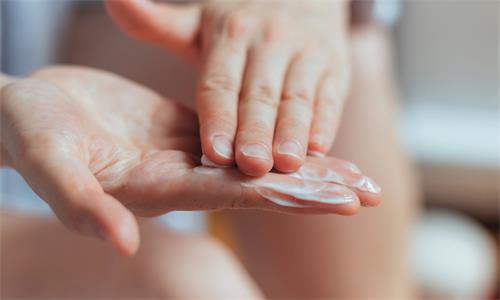
Another way to determine the base of a primer or foundation is by conducting a simple mixing test. Take a small amount of the product and mix it with a drop of water on the back of your hand. If the mixture blends seamlessly without separating or forming clumps, it is likely water-based. Conversely, if the product repels the water and forms beads or separates, it is silicone-based. This test can provide a quick and easy way to identify the base of a product, especially if the ingredients list is not readily available.
Consult with Makeup Experts:
When in doubt, don't hesitate to seek advice from makeup professionals or beauty experts. They can offer personalized recommendations based on your skin type, concerns, and desired makeup finish. Additionally, many beauty stores offer sample sizes or testers that allow you to try out different products before making a purchase. Experimenting with various formulations can help you determine which type works best for your individual needs.
Distinguishing between water-based and silicone-based primers and foundations is essential for achieving flawless makeup looks. By reading the ingredients list, assessing the texture and consistency, observing how the product feels on the skin, evaluating its performance, conducting a mixing test, and seeking guidance from makeup experts, you can confidently select the right formulation for your specific preferences and skin type. Whether you prefer a lightweight, hydrating formula or a long-lasting, pore-blurring finish, understanding the characteristics of different makeup bases empowers you to create stunning looks with ease.
Recommended for you: